



Creating a home office that feels cozy and functions well can greatly improve your work-from-home experience. Whether you have a dedicated room or just a corner in your living space, thoughtful design and organization can help you stay productive while enjoying your surroundings. Here are some practical tips to help you create a home office that balances comfort and functionality.
Choose the Right Location
Consider Natural Light
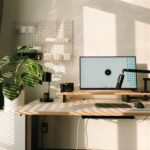
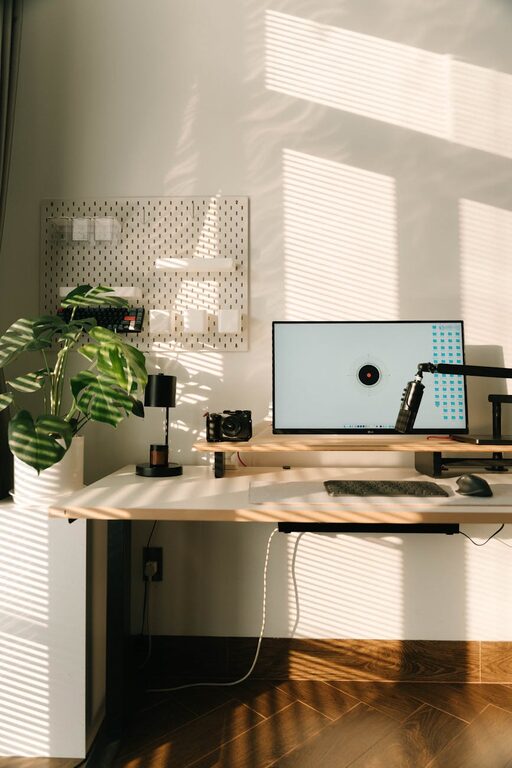
Natural light can boost your mood and energy. If possible, set up your desk near a window to enjoy daylight. Position your screen so you avoid glare while benefiting from the outside view.
Minimize Distractions
Pick a quiet spot that limits interruptions. This could be a spare room, a nook, or even a sectioned-off area in a larger room. Use room dividers or curtains if you need to create separation.
Invest in Comfortable Furniture
Ergonomic Chair and Desk
Your chair should support good posture and be comfortable for long periods. Adjustable chairs and desks help you find the right height and position to reduce strain.
Multi-Functional Pieces
Spaces can be small, so consider furniture with storage options or foldable desks. A desk with drawers or shelves can keep your supplies organized and within reach.
Organize Efficiently
Use Storage Solutions
Keep your workspace tidy by using baskets, bins, or drawer organizers. Label items to find them easily and avoid clutter building up.
Cable Management
Tidy cables not only look better but also prevent accidents. Use clips, sleeves, or cable boxes to keep cords under control.
Create a Cozy Atmosphere
Decorate Thoughtfully
Add personal touches like plants, artwork, or photos to make the space inviting. Choose colors that promote calm and focus, such as soft blues, greens, or neutral tones.
Soft Textures
Incorporate cushions, rugs, or throws that add warmth and comfort without making your space feel cluttered.
Optimize Lighting
Layered Lighting
Use a combination of overhead, task, and ambient lighting. Desk lamps with adjustable brightness help reduce eye strain when working.
Avoid Harsh Lights
Opt for warm light bulbs to create a relaxing environment, especially if you work in the evenings.
Incorporate Technology Wisely
Reliable Equipment
Invest in a good-quality monitor, keyboard, and mouse for ease of use. Ensure your internet connection is stable for video calls.
Reduce Noise
Noise-canceling headphones or white noise machines can help you focus in a noisy environment.
Personalize Your Schedule Area
Add a Clock or Planner
Having a clock or calendar nearby helps you manage your time effectively without constantly checking your phone.
Set Boundaries
Define clear start and end times for work to maintain balance and prevent burnout.
Keep It Green
Indoor Plants
Plants not only improve air quality but also add life and color to your office. Easy-to-care-for options like succulents or pothos work well.
Fresh Air
If possible, open a window for ventilation and a natural breeze to keep your space fresh.
Maintain Your Space
Daily Tidying
Spend a few minutes each day organizing your desk to prevent clutter accumulation.
Regular Reviews
Periodically assess your setup to make adjustments for comfort and productivity as needed.
—
Designing a home office that is both cozy and functional doesn’t have to be complicated. By focusing on comfort, organization, lighting, and personalization, you can create a space that supports your work and well-being. Start with small changes and adjust as you learn what works best for you. Happy designing!